






By Ashenafi Endale & Kidus Dawit
As the Israeli-US military operation in Iran enters its third week, the effects of the latest conflict in the Middle East are already rippling across the globe, including in Ethiopia.
The war, which as of yet has shown no signs of settling down, brings with it massive economic implications for the world, and the prospect of geopolitical and diplomatic reconfigurations in the Horn of Africa, where the Gulf powers now ensnared in the conflict have become more deeply entrenched over the past decade.
Since Israel and the US launched surprise strikes on Iran on February 28, 2026, killing Supreme Leader Ali Khamenei in the process, crude oil prices have climbed to levels not seen since the days of COVID-19. On Monday, a barrel of crude was trading for nearly USD 115, up from USD 65 two weeks ago.
Prices have since fallen below the USD 100 mark, but analysts expect them to shoot back up as oil tankers and freight ships remain stranded in the Persian Gulf following Iran’s threats to open fire on vessels attempting to cross the Strait of Hormuz, a chokepoint for roughly 20 percent of the global oil trade.
Ethiopia, a landlocked country whose economy relies heavily on fuel imported from the Gulf and where fuel shortages were already a growing concern, is taking steps in hopes of buffering the economic effects of the war.
Earlier this week, the federal government revised fuel retail prices for the first time since December 2025, pushing up retail prices for benzene and diesel by three and 10 Birr, respectively. The update also included new rules for large-scale consumers such as manufacturers and mining projects, who will now pay 185 Birr for a liter of diesel.
Meanwhile, Finance Minister Ahmed Shide urged the nation to conserve fuel, revealing that the government is pursuing emergency fuel procurement through “alternative routes” and stating that additional measures aimed at curbing fuel consumption are in the pipeline.
“We want to remind all fuel users that they must use fuel with high conservation,” he said during a briefing on Wednesday.
Fuel remains Ethiopia’s largest import expenditure, accounting for a quarter of its total import bill at an estimated USD 4.2 billion a year.
Ethiopia imports nearly all of its refined petroleum products, with a substantial share sourced from Gulf suppliers, according to the International Energy Agency. These shipments typically travel via maritime routes connecting Gulf export terminals to the Port of Djibouti—Ethiopia’s principal maritime gateway.
Coupled with Ethiopia’s dependence, any disruption to global oil flows triggered by a closure of Hormuz would translate into immediate economic pressures, including higher forex expenditures on fuel imports. Analysts observe the conflict has already pushed shipping insurance costs through the roof, meaning that even if shipments continued through alternative routes, higher insurance and freight costs would ultimately be passed on to energy-importing economies such as Ethiopia.
Although the details of its procurement contracts are closely guarded, the state-owned Ethiopian Petroleum Supply Enterprise (EPSE) is the country’s sole fuel importer.
The firm generated close to 460 billion Birr in revenue last year, while claiming more than 40 billion Birr from the federal fuel price stabilization fund to offset mounting costs. This week, the Finance Minister stated that without government subsidies, consumers would pay well over 200 Birr a liter at pumping stations.
The government’s response to the unfolding global oil crisis has been quick, reflecting the outsized effects that previous worldwide fuel supply disruptions have had on Ethiopia.
The oil crisis of 1973, arising from an oil embargo on Israel and its allies in the wake of the Yom Kippur War, triggered protests and unrest in Addis Ababa which eventually culminated in the fall of the imperial regime and the rise of Marxism and the Derg.
Analysts say that while the ongoing crisis is not quite on the same level as the one from half a century ago, which saw prices quadruple, the situation could grow worse if the conflict is not settled quickly or if Hormuz does not reopen in the near future.
And while the conflict’s effects on global energy supply cannot be ignored, the war in Iran could also carry huge geopolitical implications for the Horn of Africa and Ethiopia.
A report from the Critical Threats Project, backed by the Washington-based think tank, American Enterprise Institute, outlines the potential implications and describes the intricacies of the complex relationships between the Horn and Gulf.
Published on March 3, the report pinpoints the threat of retaliation from Iran-backed Houthis in Yemen as the crucial factor that could determine how events unfold in the Horn and along the Red Sea.
“The Iran war will likely have short-term effects on disputes in the Horn of Africa that are linked to Red Sea competition among Middle East actors, such as the Sudanese civil war and potential conflict in northern Ethiopia, although it is unclear whether the war will accelerate or dampen conflict in the short term,” it reads.
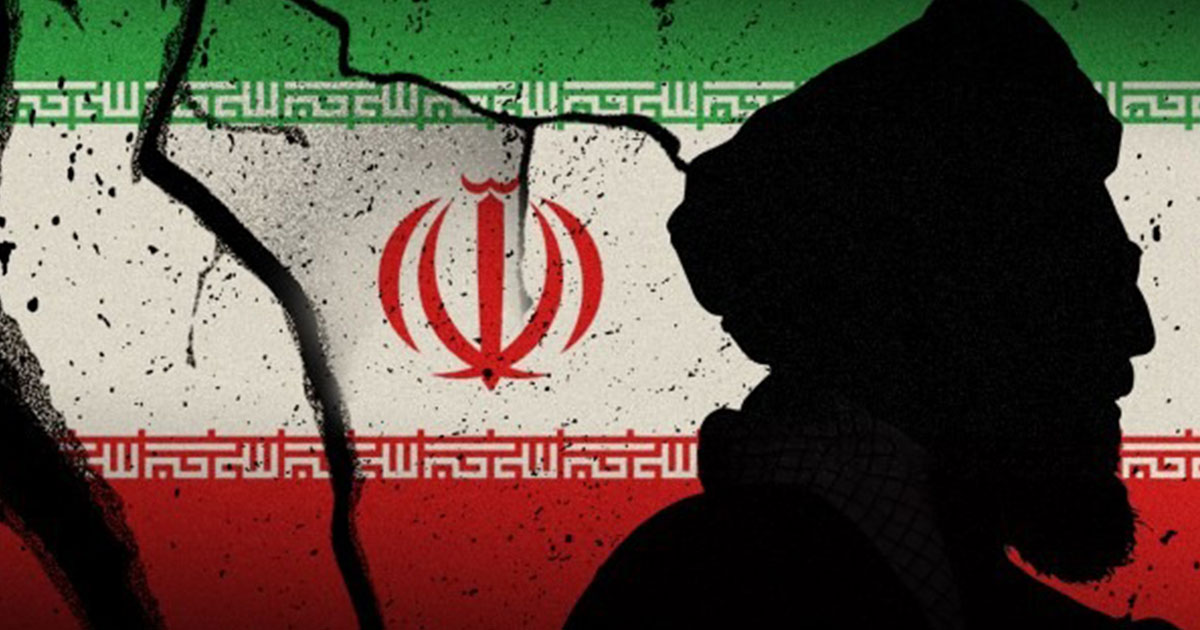
The report’s authors note that Iran has launched strikes against all six Gulf Cooperation Council (GCC) countries in response to the US-Israeli attack, while Iran-friendly groups such as Hezbollah in Lebanon and Tehran-backed groups in Iraq have launched attacks on Israel and US military bases across the region.
However, the Houthis, who conducted several major drone and missile attacks on Israel and in the Red Sea last year, have yet to act.
“The Houthis have not yet conducted any retaliatory attacks and only confirmed their solidarity with Iran, despite the Houthi spokesperson telling key Iranian officials in February that they would participate in any conflict targeting Iran,” reads the report.
It warns that if and when the Houthis decide to join the war, they would likely target Israel and the UAE, as well as US military bases in places like Djibouti.
“Analysts have noted that the Houthis still maintain back channels to Saudi Arabia to manage escalation, whereas the UAE is viewed as closer to Israel and the United States and directly enabling the Israeli-US strikes on Iran,” it reads.
The report posits the Houthis could also strike Israeli and UAE positions in Somaliland.
Just a few months ago, Israel became the first country to recognize Somaliland as a sovereign nation, while the UAE has long had a presence in the breakaway territory, particularly in the coastal city of Berbera, where it operates a modern military port.
Some reports indicate the UAE facilitated Israel’s recognition of Somaliland in December, and highlight that Israeli and Somaliland officials have allegedly been in discussions about the prospect of an Israeli military base in the region over the past several weeks. Others claim that Israel has already established a military presence in Somaliland.
To the west, the war in Iran could have repercussions for the war in Sudan, which has been raging for nearly three years between the Sudanese Armed Forces (SAF) and the UAE-backed Rapid Support Forces (RSF).
“The UAE has flown hundreds of weapon shipments to countries surrounding Sudan to supply the RSF since the beginning of the Sudanese civil war in 2023, while Saudi Arabia was reportedly brokering a $1.5 billion arms deal in early 2026 between the SAF and Pakistan, which is also now preoccupied with a conflict with Afghanistan,” reads the Critical Threats Project report.
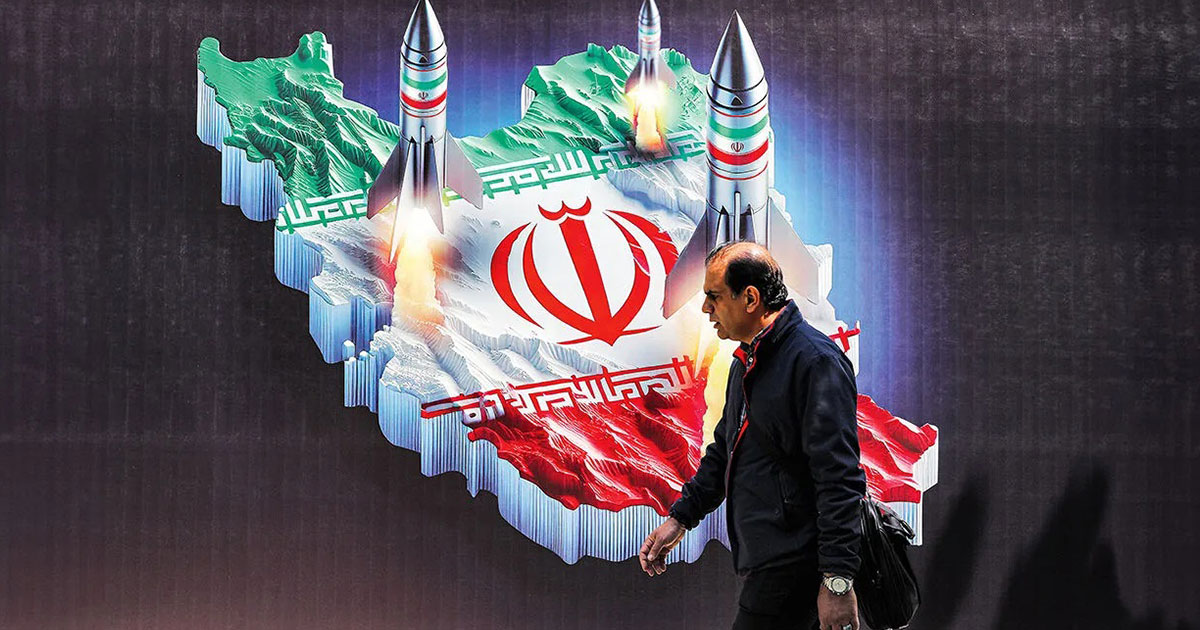
It indicates it is too early to say how the conflict will play out in the Horn, with its authors arguing things could go either way.
“Iranian attacks, any Gulf military response, and overall Emirati and Saudi rapprochement could help de-escalate several local conflicts in the Horn of Africa. The Iran war could reduce Saudi Arabia’s and the UAE’s capacity or willingness to continue fueling their proxy competition in the Red Sea and Horn of Africa,” it reads.
On the other hand, the report warns the war in Iran could create the conditions for an even more unstable Horn.
“The war does not change the local and regional drivers of competition among Saudi Arabia, the UAE, and their partners in the Red Sea, however, and could further escalate conflict by giving the rival coalitions greater freedom to act,” it reads.
All this and more will have been on the agenda when Prime Minister Abiy Ahmed (PhD) held discussions in Djibouti on Thursday morning with President Ismail Omar Guelleh and Somali President Hassan Sheikh Mohamud.
That afternoon, the PM arrived in Abu Dhabi, where he was received by Abdullah Sultan bin Awad Al Nuaimi, minister of Justice, and Mohamed Abdullah Al Jneibi, chair of the Presidential Protocol and Strategic Narrative Authority.
Analysts expect the visit to address the increasingly entwined geopolitics of the region and questions about Ethiopia’s fuel supply.