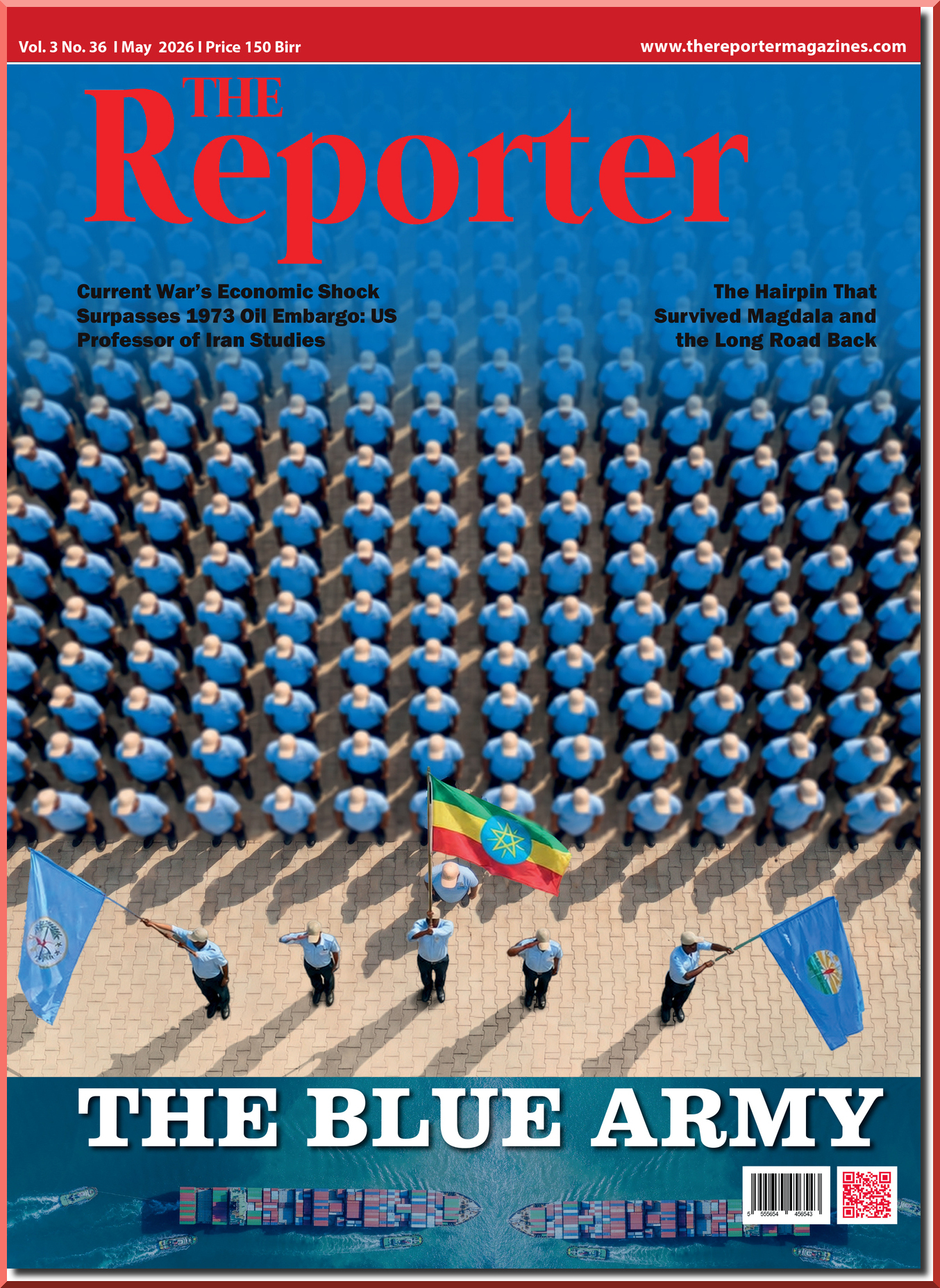






The African Union (AU) has formulated Agenda 2063, a 50 year plan to promote economic development and integration of the continent. This Agenda underlines that “Africa’s Blue/ocean economy, which is three times the size of its landmass, shall be a major contributor to continental transformation and growth…Africa shall have equitable and sustainable use and management of water resources for socio-economic development, regional cooperation and the environment.”
Despite adopting the 2050 Africa’s Integrated Maritime Strategy, the Lomé Charter, and the African Standby Force Roadmap III, Africa still lacks the naval capability required to protect more than 47,000 kilometers of coastline stretching across the Atlantic Ocean, Indian Ocean, Mediterranean Sea, and Red Sea, as well as its vast Exclusive Economic Zones. This gap has serious consequences.
The temporary closure of the Strait of Hormuz during the recent Iran–US/Israel conflict demonstrated how distant maritime crises can severely disrupt African economies through higher fuel prices, delayed shipments, fertilizer shortages, and rising insurance costs. Africa urgently needs stronger maritime capacity. A continental navy would strengthen the African Standby Force, combat piracy and trafficking, protect the blue economy, and enhance Africa’s strategic independence in an era of growing geopolitical competition.
Africa possesses one of the world’s most resource-rich maritime domains. Its waters contain immense potential in fisheries, shipping, tourism, offshore energy, marine biotechnology, and digital infrastructure such as undersea cables. More than 90 percent of Africa’s trade moves by sea. Maritime security is therefore directly connected to economic growth, food supply, industrialization, and continental integration.
Yet these same waters remain vulnerable to piracy, armed robbery at sea, illegal fishing, crude oil theft, drug trafficking, arms smuggling, human trafficking, maritime pollution, and attacks on offshore infrastructure. These threats weaken states, reduce revenues, discourage investment, and harm ordinary citizens.
The African Union has already adopted several important maritime frameworks. The 2050 AIM Strategy promotes a secure and sustainable blue economy. The Lomé Charter seeks to fight piracy, trafficking, illegal fishing, and other maritime crimes. The African Standby Force Roadmap recognized that Africa’s security cannot depend on land forces alone. However, implementation has remained weak.
Ratification of the Lomé Charter has been slow (Ratified by only Benin, Senegal and Togo), and many member states have not translated continental commitments into national law. Existing arrangements encourage cooperation among national navies but stop short of creating an African Union naval force capable of acting collectively. As a result, Africa has maritime strategies without sufficient maritime power.
The African Standby Force was designed mainly for land-based crises such as civil wars and insurgencies. But Africa’s current realities demand sea-based capability as well. The continent has thirty-eight coastal states and several island states whose security depends on maritime access. Countries such as Comoros, Madagascar, Seychelles, and Mozambique illustrate the importance of sea transport, coastal defense, humanitarian assistance, and maritime peacekeeping.
Previous African Union interventions have often depended on external naval assistance. That dependence limits Africa’s ability to respond quickly and independently. A continental navy would enable rapid transport of troops, vehicles, and supplies. It would support disaster relief when roads are damaged, protect coastal infrastructure, and strengthen peace support missions. It would also improve maritime surveillance through radar systems, patrol aircraft, drones, satellites, and vessel tracking networks.
The 2026 Strait of Hormuz crisis showed how vulnerable Africa remains to disruptions far beyond its shores. Closure of one of the world’s key energy chokepoints interrupted flows of petroleum, fertilizer, machinery, and consumer goods. Shipping costs and insurance premiums rose sharply. Some African ports benefited from rerouted trade, but many countries faced inflation, supply shortages, and currency pressure.
Oil producers gained temporarily, while import-dependent economies suffered most. The lesson is clear: maritime security is economic security. Similarly, the Gulf of Aden, Red Sea, Gulf of Guinea and other passages of African waters can also be closed because of proxy wars of great powers. Africa should enhance its bargaining power during global crises that affect sea routes. A credible African naval presence could help protect shipping, reassure markets, reduce insurance costs, and strengthen the continent’s voice during international emergencies.
Africa’s waters, especially the Gulf of Guinea and Gulf of Aden, remain exposed to piracy and organized crime. Piracy in West Africa is closely linked to oil theft and criminal networks. These crimes increase transport costs and discourage investment. Illegal fishing by foreign fleets is another major threat. It deprives African communities of income, weakens food security, and drains national revenues.
Many coastal states lack the patrol vessels and surveillance systems needed to protect their waters. Drug trafficking routes through West and East African waters are also increasing. Human smuggling networks continue to exploit migrants seeking passage to Europe and the Arabian Peninsula. A continental navy would strengthen maritime law enforcement, improve intelligence sharing, and help dismantle criminal networks operating across borders.
Global powers increasingly compete in African maritime spaces. Naval bases in Djibouti and elsewhere show the strategic importance of Africa’s sea lanes. While foreign forces may contribute to anti-piracy operations, they primarily serve their own national interests. This creates risks for Africa: reduced control over strategic waters, dependence on outside security guarantees, and competition among major powers inside African spaces. Africa needs greater strategic autonomy. A continental navy would not end partnerships, but it would allow Africa to defend its interests independently and negotiate from a position of strength.
Developing a continental navy requires investment, but the cost would be far lower than the enormous losses Africa already suffers through piracy, illegal fishing, trafficking, and maritime insecurity. Funding options could include member state contributions, maritime security levies, public-private partnerships with ports and shipping industries, and regional burden-sharing mechanisms. African island states may also offer valuable experience in financing maritime security systems.
The African Union should establish a legally binding maritime security protocol that creates the foundation for a continental navy. Member states should contribute vessels, personnel, training capacity, and financial support. The proposed navy should be integrated into the African Standby Force command structure while maintaining operational independence. Member states should also ratify and implement existing maritime agreements and impose strict penalties on foreign vessels operating illegally in African waters.
Africa can no longer afford to remain strategically exposed at sea. Its maritime resources, trade routes, and coastal populations face growing threats that individual states cannot manage alone. A continental navy would strengthen peace and security, protect the blue economy, combat piracy and trafficking, and reduce dependence on external powers.
Most importantly, the cost of building such a force would be far less than the price Africa continues to pay through the unchecked exploitation of its maritime domain. The time has come for Africa to secure its waters and shape its own maritime future.
Melaku Mulualem K. is the Director General for Training and Consultancy at the Institute of Foreign Affairs. He can be reached at [email protected].
Contributed by Melaku Mulualem K.